
The Artist Must Stand
Organized by Art Kontakt @art.kontakt
Artists: Fatmir Mustafa-Karllo, Anja Stroka
📅 27, 28, 29 November
🕗 19:00
📍 Villa of the Institute for the Integration of Political Victims
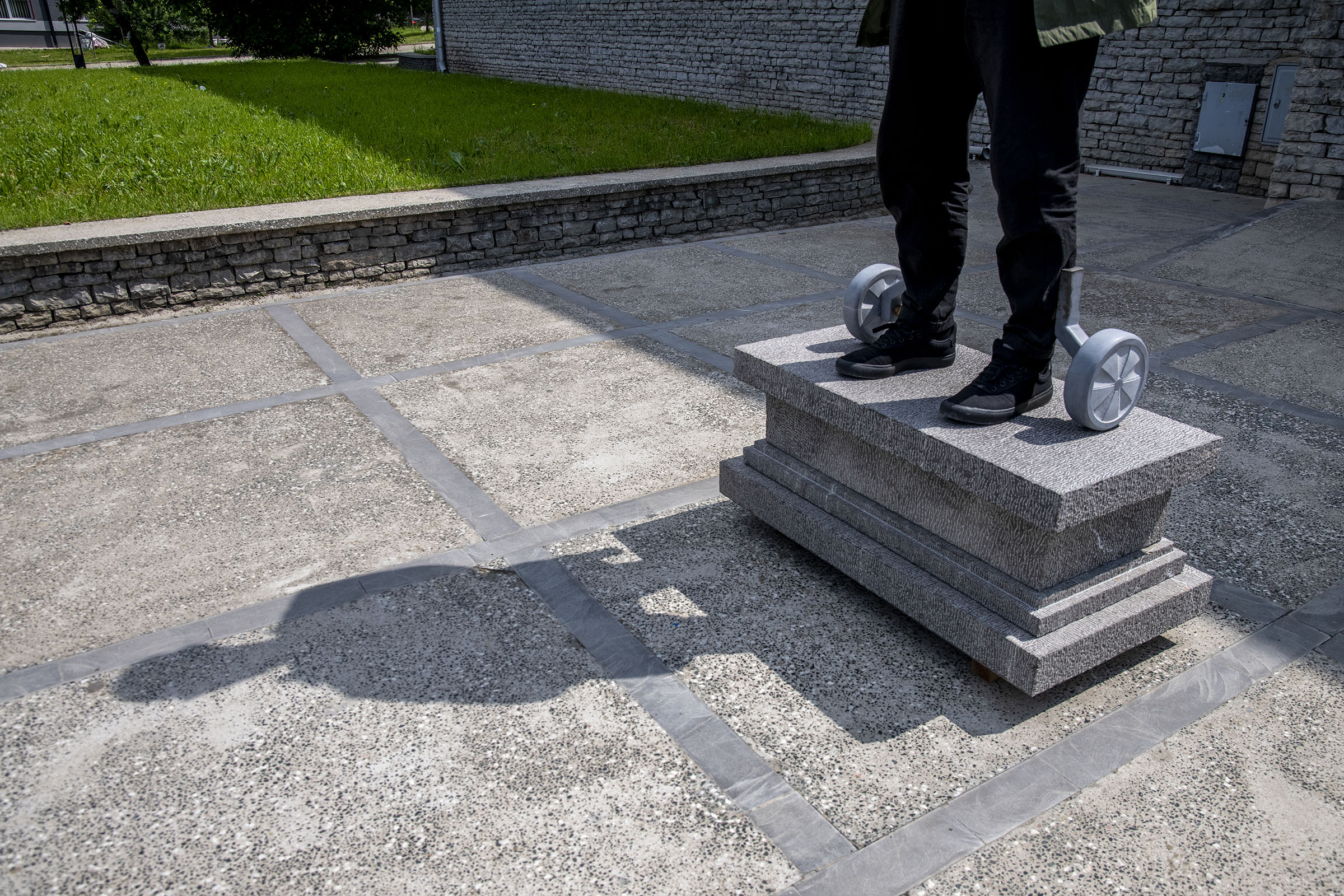
🇪🇺 The Artist Must Stand (2019) by Fatmir Mustafa-Karllo dates back to the COVID-19 pandemic. At its base, only two small stone support wheels have been placed, reminiscent of those on children’s bicycles. During the COVID-19 pandemic, the artist’s condition had also changed: what role does art play in a society marked by social isolation, economic crisis, and political uncertainty? What once seemed stable had suddenly become fragile.
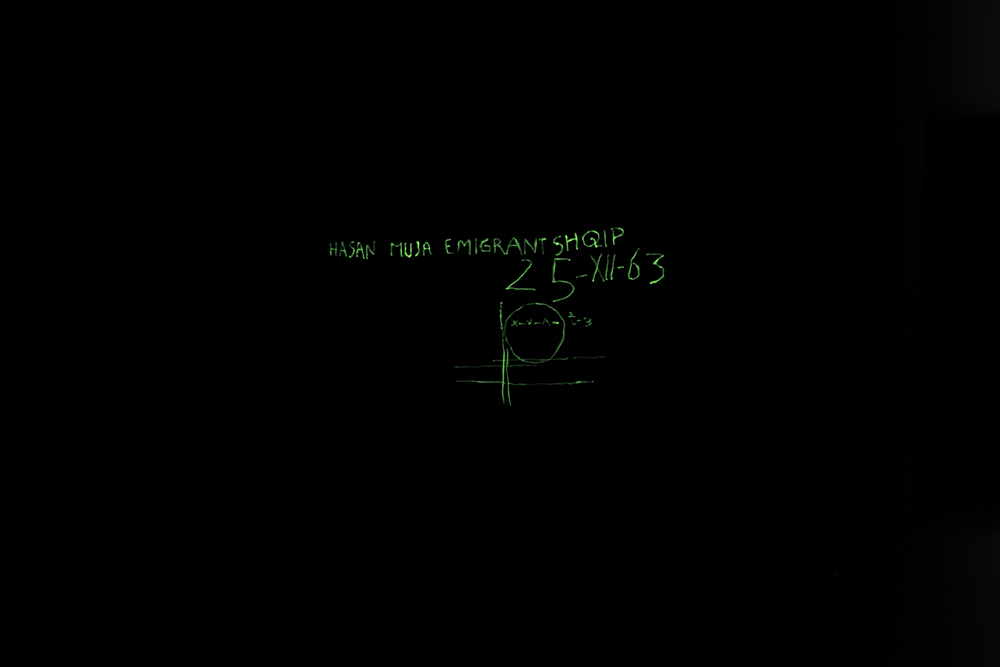
The History of Misery (2019–2023) by Fatmir Mustafa-Karllo recounts the re-created inscriptions made by former prisoners in their cells, which date from the period between 1945 and 1966. The cell, measuring 3.5 square meters, is located in the basement of an unremarkable house in the center of Prizren. During the period of repression led by the head of the military secret police of former Yugoslavia and Minister of the Interior, Aleksandar Ranković, it was primarily Kosovar Albanians who were imprisoned and tortured here. During their detention, they scratched names, messages, and even musical compositions into the walls of their lightless cell. According to local accounts, the voices of the prisoners could be heard throughout the neighborhood as they carved. “Using a transparent sheet, I copied all these incriminating writings that have survived from 1945 to the present day,” the artist says when describing his working method. The room titled The History of Misery is dark, just like the original cells. Karllo uses phosphorescent paint to transfer the inscriptions onto black boxes.
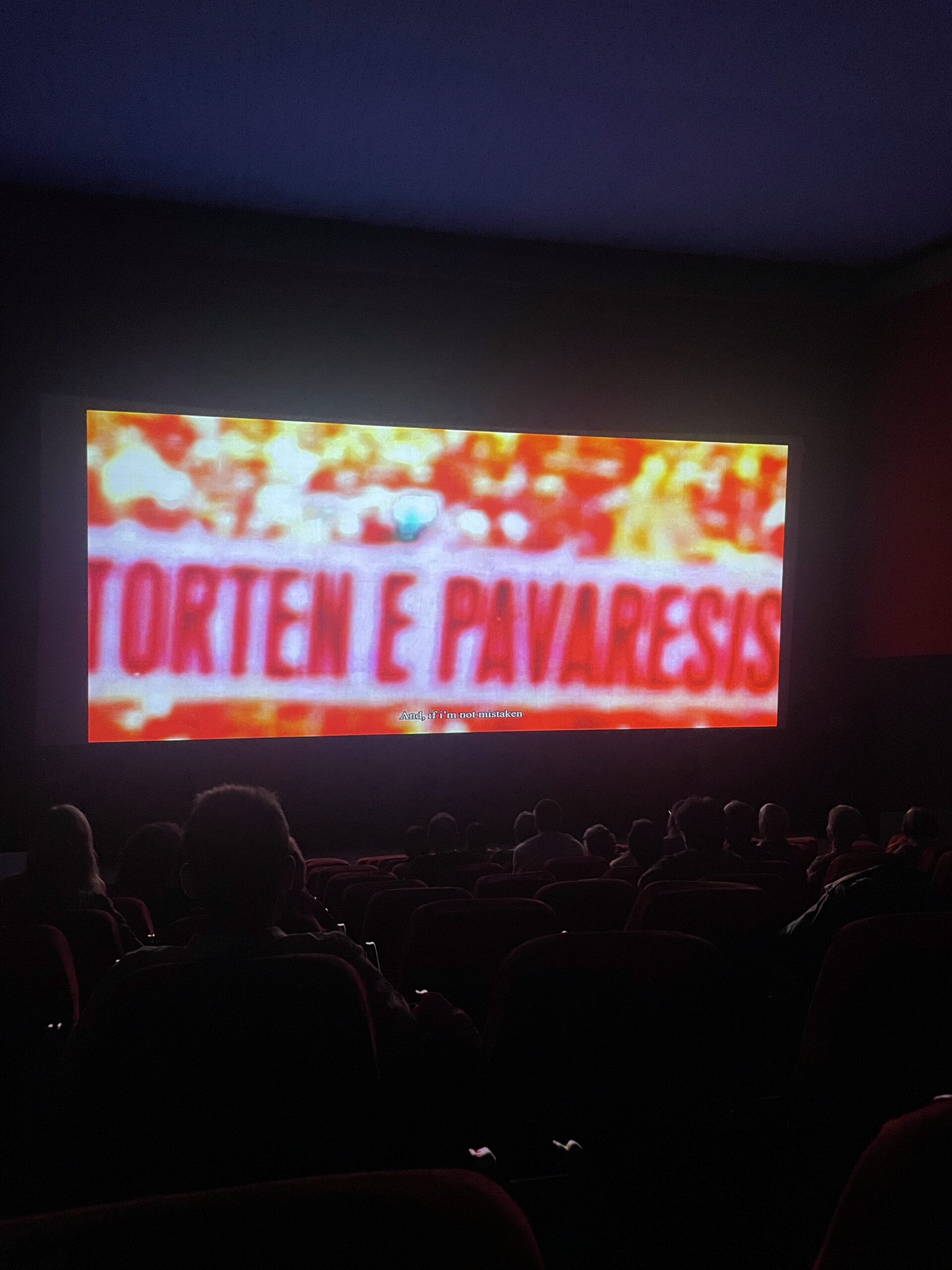
Six More days of Bread (2012) by Anja Stroka is a 10-minute conceptual film reflecting on Albania’s 2012 centenary celebration, when a 500m² cake rose in Skënderbej Square, excess and hunger entwined. Through projected stills of red and an uncredited voice recollecting lived memory, the work conjures collective appetite, corporeal and metaphysical. Both document and recollection, it traces the choreography of celebration and the wounds of post-communist desire, burdened by remembrance, deprivation, and inherited shame.
🇦🇱 Artisti duhet të rezistojë (2019) nga Fatmir Mustafa-KarlloKjo vepër daton prej periudhës së pandemisë COVID-19, mbi bazë janë vendosur vetëm dy rrota mbështetëse të vogla prej guri, sikur të atyre biçikletave të fëmijëve. Gjatë periudhës së koronës, kishte ndryshuar dhe gjendja e artistit: çfarë roli luan arti në një shoqëri që karakterizohet nga izolimi social, kriza ekonomike dhe pasiguria politike? Ajo që dukej normale papritur ishte bërë e brishtë.
The History of Misery (2019–2023) nga Fatmir Mustafa-Karllo tregon mbishkrimet e ri-bëra nga Karllo të ish të burgosurve në qeli, që datojnë nga periudha midis viteve 1945 dhe 1966. Qelia prej 3,5 metrash katrorë ndodhet në bodrumin e një shtëpie pa përshkrim, në qendër të Prizrenit. Gjatë periudhës së shtypjes së kreut të policisë sekrete ushtarake të ish-Jugosllavisë dhe ministrit të Brendshëm, Aleksandër Rankoviq, ishin kryesisht shqiptarët e Kosovës ata që u burgosën dhe u torturuan këtu. Gjatë kohës së burgimit, ata gërvishtnin emrat, mesazhet, madje edhe kompozime muzikore në muret e qelisë së tyre pa dritë. Sipas gojëdhënave, zërat e të burgosurve dëgjoheshin në lagje teksa shkruanin. “Përmes një letre transparente i kam kopjuar të gjitha këto shkrime inkriminuese që kanë mbijetuar nga viti 1945 deri në ditët e sotme”, thotë artisti duke përshkruar metodën e tij të punës. Dhoma “The History of Misery” është e errët mu si qelitë origjinale. Karllo përdor bojë fosforeshente për t’i transferuar mbishkrimet në kutitë e zeza.
Edhe Gjashtë Ditë Bukë (2012) nga Anja Stroka është një dokumentar i shkurtër konceptual që reflekton mbi festimin e 100-vjetorit të pavarësisë së Shqipërisë në vitin 2012, kur një tortë 500 m² u ngrit në Sheshin Skënderbej, një ndërthurje e teprisë dhe urisë. Përmes imazheve të projektuara në nuanca të kuqe dhe një zëri të paidentifikuar që rikujton momente të përjetuara, vepra ngjall një uri kolektive, trupore dhe metafizike. Midis ritregimit dhe dokumentimit, ndiqet koreografia e festës dhe plagët e dëshirës post-komuniste, të ngarkuara me reflektim, privim dhe turpin e trashëguar.